
Squarespace vs Other Website Builders: What’s Best in 2026?
Choosing the right website platform used to be simple. In 2026, it’s not. The website builder market exploded with better design tools, more customization options, and new platforms that compete directly with the giants.
Squarespace is still a leader, but it’s no longer the only intuitive, design-forward platform in the game.
Before you commit to a rebuild, migration, or new website, it’s important to understand how Squarespace compares to today’s strongest alternatives — Webflow, Shopify, WordPress, and Framer — and which one actually fits your needs.
This guide breaks it down without technical overload or platform bias.
Why Choosing the Right Platform Matters More Than Ever
The platform you choose impacts:
long-term scalability
SEO performance
page speed
how easy it is to update
the level of design control you get
your ongoing costs
the stability of your brand
In short: the right platform makes your business easier to run. The wrong one becomes a maintenance headache.
Overview of Today’s Leading Website Builders
Here’s a quick snapshot of where each major platform stands in 2026:
Squarespace – clean design, easiest for non-technical founders, strong for service businesses
Webflow – full design control, ideal for complex layouts, steeper learning curve
Shopify – the most powerful e-commerce engine
WordPress – limitless flexibility for content-heavy or custom environments
Framer – modern, animation-driven, great for startups & personal brands
Each platform is strong. Each has limitations. The goal is not to choose the “best” — but to choose the “best for your needs.”
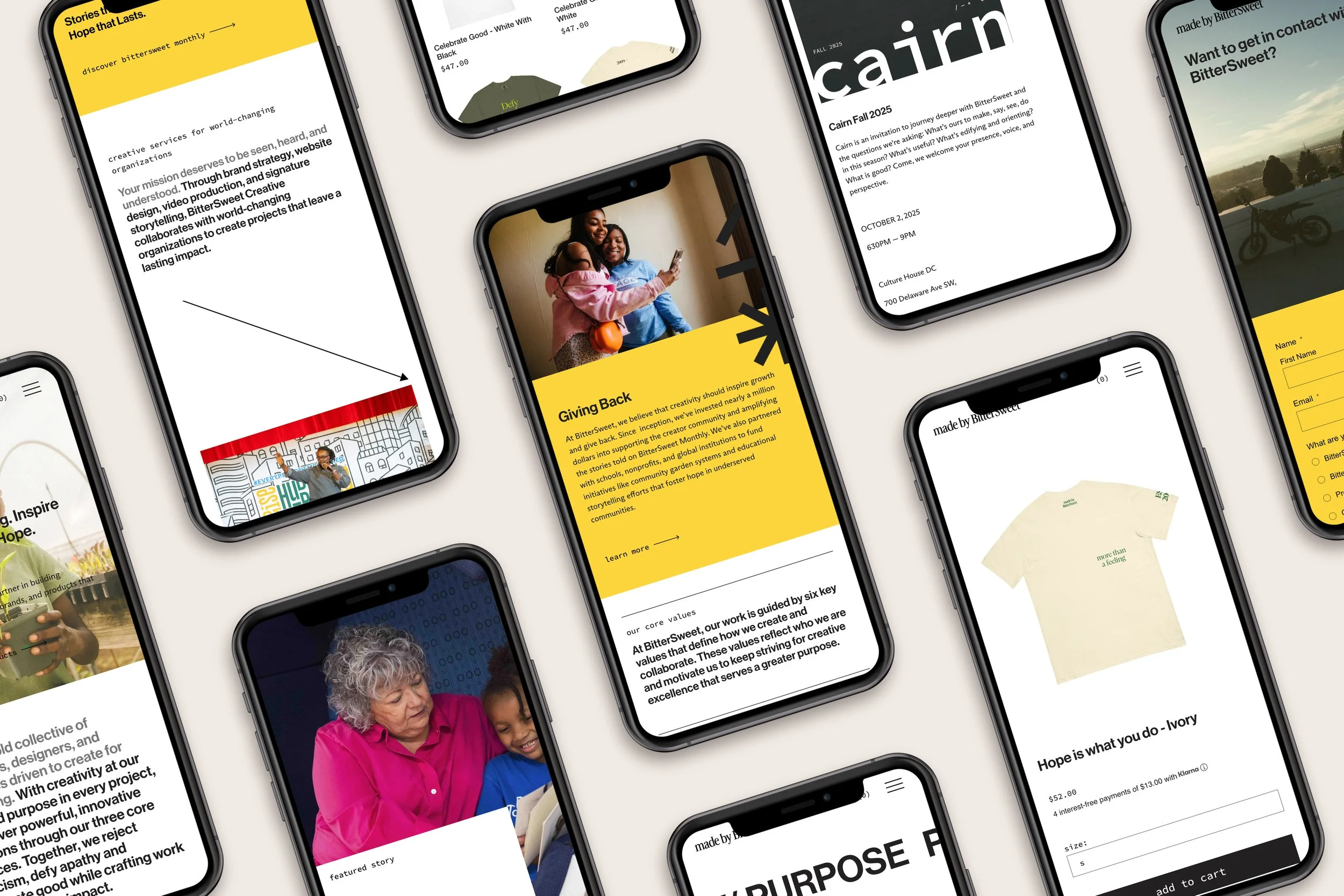
Squarespace:
Best for Service Providers, Creatives & Small Businesses
Squarespace remains one of the most intuitive website builders available.
Strengths
Clean, modern templates
Easy for non-designers to update
All-in-one platform (hosting, security, CMS)
Strong built-in SEO
Reliable for blogs, portfolios, coaching, consulting, and small shops
Extremely mobile-friendly
Limitations
Less flexible for advanced animations
Not ideal for large-scale e-commerce
Design customization has limits compared to Webflow
Fewer integration options than WordPress
Best For
Service-based businesses
Personal brands and authors
Small retail shops
Nonprofits
Creatives
Anyone who wants a modern site without technical complexity
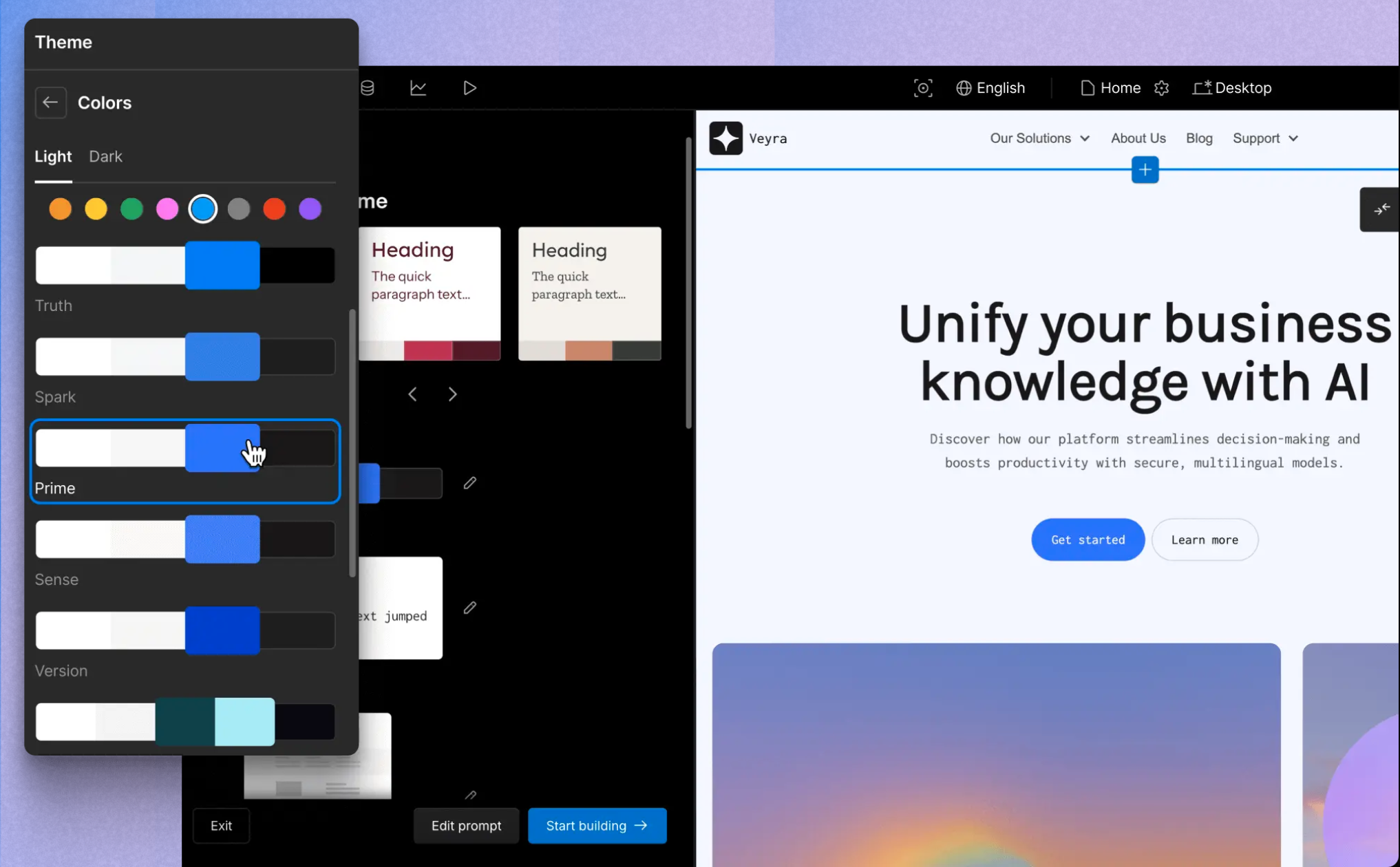
Webflow:
Best for Custom Visual Design & Complex Layouts
Webflow gives designers and developers complete control over layout, animation, and structure.
Strengths
Nearly unlimited custom design options
CMS collections ideal for blogs, portfolios, directories
Advanced interactions and micro-animations
Excellent SEO control
Great for scaling content
Limitations
Steep learning curve
Harder for non-technical teams to maintain
Costs increase as site complexity grows
Best For
Tech companies
Startups
Design-driven brands
Complex multi-page systems
Anything requiring high customization
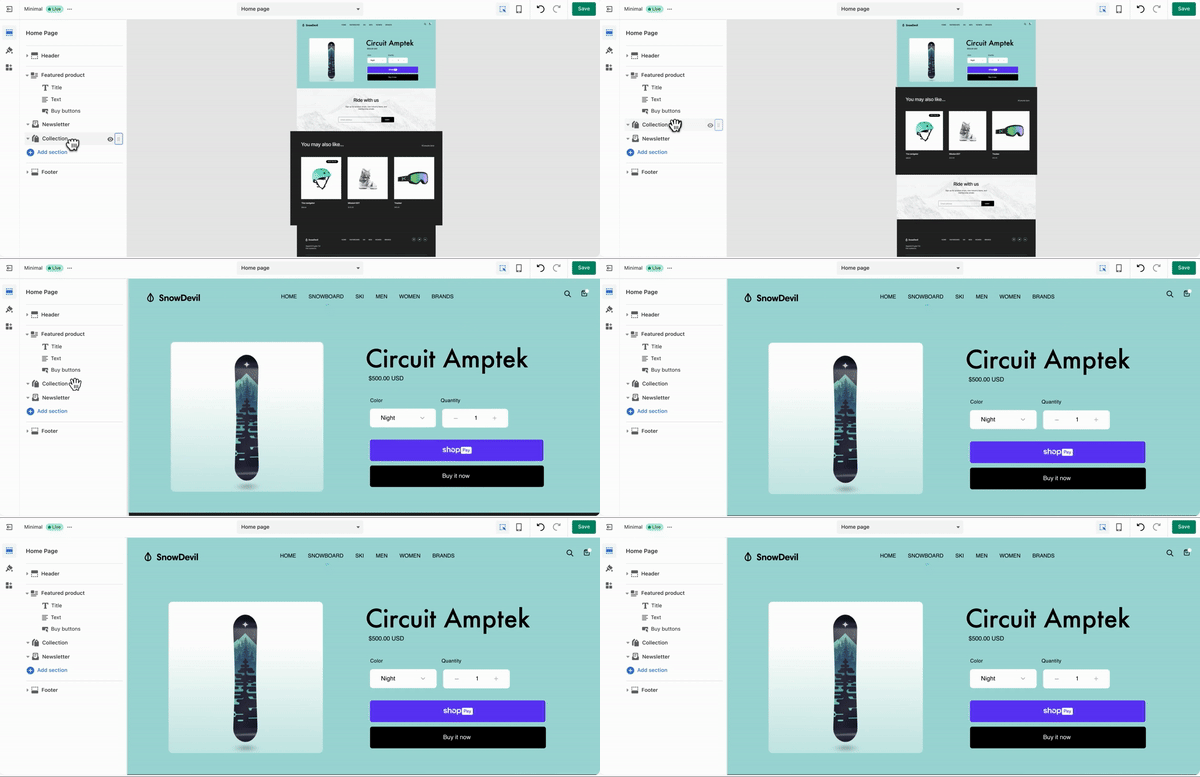
Shopify: Best for E-Commerce That Needs Power & Scale
Shopify is built for selling — period.
Strengths
Top-tier product management system
Huge app ecosystem
Easy checkout
Secure, scalable, and built for conversions
Excellent inventory tools
Limitations
Less elegant for non-store websites
Heavily dependent on apps
Customization beyond the theme editor often requires development
Best For
Brands focused on selling products
Subscription businesses
Stores with large inventories
Multi-channel retail

WordPress: Best for Content-Heavy & Highly Custom Websites
WordPress is the most flexible platform — but also the most demanding.
Strengths
You can build almost anything
Unlimited plugins
Ideal for blogs, publications, and large content libraries
Full control over back-end and SEO
Limitations
Requires maintenance
Hosting, plugins, and security are separate expenses
Easy to break without experience
Can feel bloated
Best For
Publications
Content-heavy organizations
Sites requiring custom development
Complex membership platforms
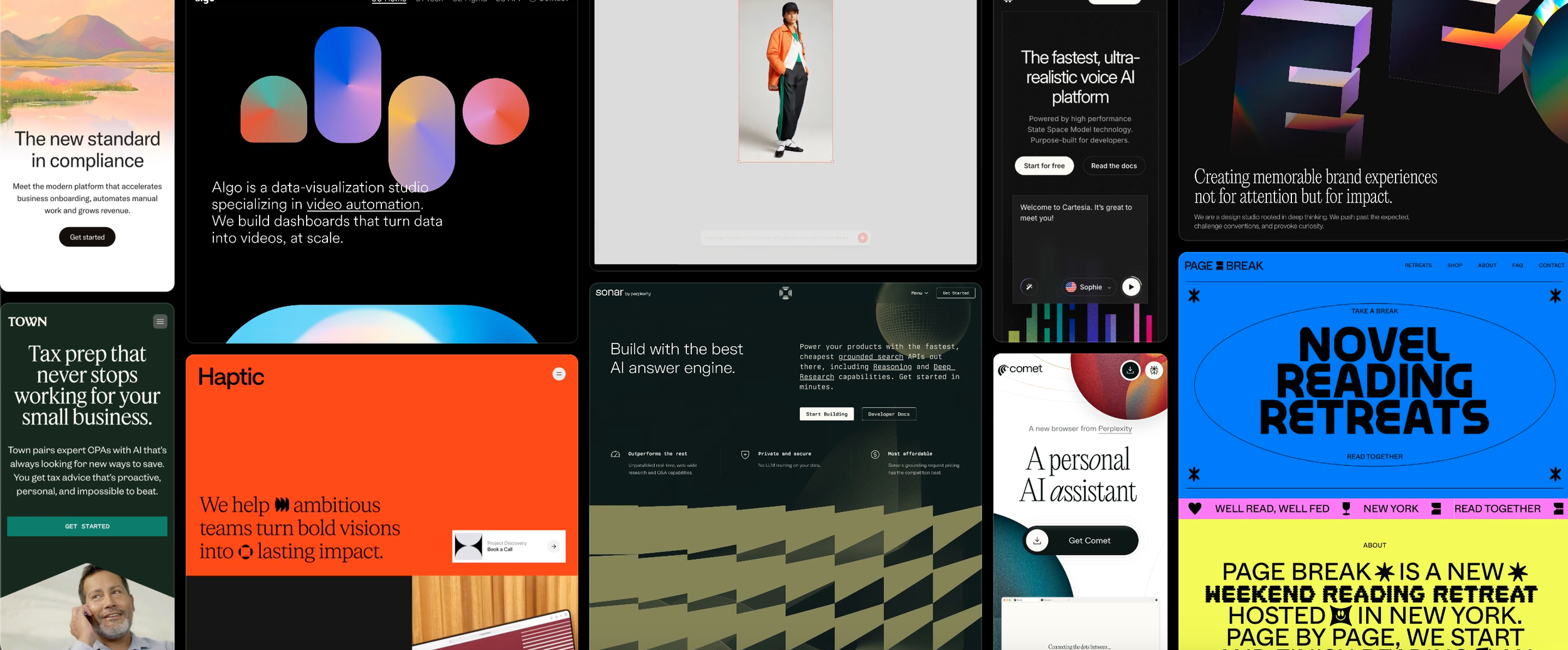
Framer: Best for Fast, Modern, Interaction-Driven Websites
Framer exploded in popularity for good reason.
Strengths
Beautiful animations
Lightning-fast publishing
Startup-friendly templates
Modern design aesthetic
Great for personal brands and portfolios
Limitations
Not suitable for heavy blogs
Not designed for e-commerce
Limited scalability
Best For
Creatives
Designers
Startups needing a quick landing page
Anyone prioritizing animations and speed
Which Platform Is “Best”?
The honest answer: there is no universal best.
The right platform depends on:
your business model
your content needs
your e-commerce or booking requirements
how often you update your site
whether you prefer simplicity or full customization
If you want reliability and ease of use, choose Squarespace.
If you want limitless control, choose Webflow or WordPress.
If you’re product-based, choose Shopify.
If you want animated, modern visuals, choose Framer.
Your website should support how you work — not create more work.
How to Choose the Right Platform in 2026
Here’s a simple way to decide:
Choose Squarespace if:
You’re a service provider, creative, or small business that wants something modern, dependable, and easy to update.
Choose Webflow if:
You want custom layouts, animations, or a design-driven site.
Choose Shopify if:
Selling is your primary focus.
Choose WordPress if:
You’re content-heavy or need advanced integrations.
Choose Framer if:
You want fast, modern, interaction-rich pages with a startup feel.
Final Thoughts
The platform you choose should support your business goals — not overwhelm you with technical tasks. Clarity, ease of use, and scalability matter far more than trends.
